Borba Winery
museum
History
For centuries, Borba wine was made this way: in hundreds of small cellars, one per house, each family with its own clay vessels, inherited from the Romans, tucked away on the ground floor. It was wealth spread across the whole town, and at the same time fragile, because each small producer sold alone, at the mercy of whoever bought their grapes or their finished wine, and it was those buyers, the middlemen, who set the price. A man alone, with his cellar and his clay vessel, had no power at all to say no.
And at that time there was a second threat, quieter than phylloxera but almost as dangerous. The state of the day had decided that the Alentejo should be, above all, Portugal's granary: the incentives, the subsidies, the agricultural policies, all pushed the land towards wheat. The vine, which had already nearly vanished once with the previous century's blight, risked withering again, this time simply through neglect.
It was against those two things, the middlemen and the neglect, that twelve men rose up. On 24 April 1955, at the invitation of the Borba Farmers' Guild, they met to decide to join their vineyards and their voices into a single cooperative. They wasted no time hesitating: six days later, on 30 April, the first Board of the Borba Cooperative Winery took office. Twelve people had just founded the first cooperative winery in the entire Alentejo region.
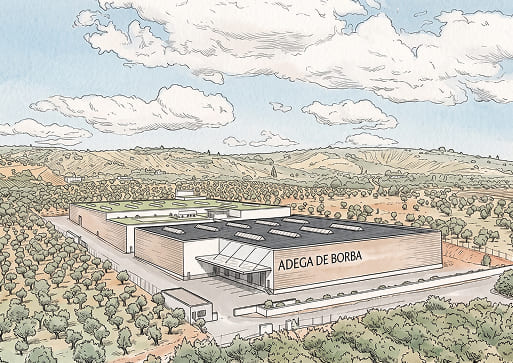
The gesture caught on. In the years that followed, following Borba's example, similar cooperatives sprang up across the Alentejo, and the whole region found, in the strength of the collective, what the small producer alone had never had: scale to negotiate, money to invest in technology, and a brand name that could be sold far from the town. Seventy years later, what began around a meeting table of twelve people is today one of the ten largest wine producers in Portugal, with hundreds of associated winegrowers cultivating thousands of hectares of vineyard. And it was this same house that, decades later, bought the rights to the old Montes Claros brand and restored its fame, linking, perhaps without quite meaning to, the wine of Borba to the battle that secured Portugal's independence just down the road.
Next time you see the name Borba on a label, remember what stands behind it: not a great company born of a state plan, but twelve ordinary people who decided, one April afternoon, that they no longer wanted to sell cheap what their land knew how to make well. Sometimes that is how entire regions change their destiny: not with armies or with kings, but with a handful of stubborn people and a meeting table.


